
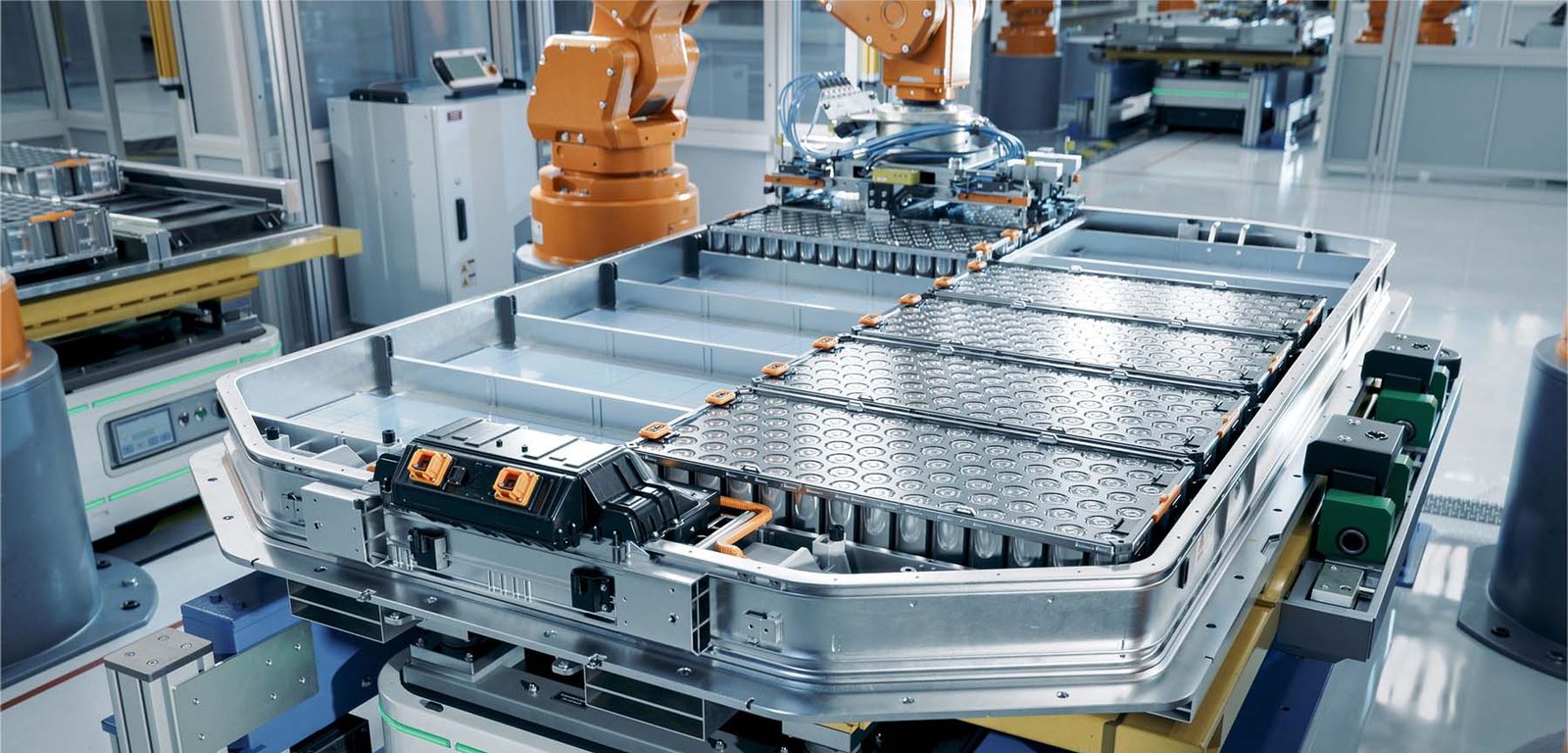
The rapid growth of electric vehicles (EVs), energy storage systems (ESS), and consumer electronics has significantly increased the demand for high-quality lithium-ion batteries. As battery manufacturers continue to pursue higher energy density, improved safety, and longer service life, production environments have become increasingly demanding.
One critical yet often overlooked factor in lithium-ion battery manufacturing is nitrogen.
High-purity nitrogen plays an essential role in protecting sensitive battery materials from oxygen and moisture throughout the production process. Whether it is used during electrode manufacturing, electrolyte filling, dry room protection, or cell packaging, nitrogen helps maintain stable production conditions while improving product quality and reducing manufacturing defects.
For battery manufacturers, selecting the appropriate nitrogen generation technology is equally important. Depending on production capacity and operating requirements, companies generally choose between PSA Nitrogen Generation systems and Cryogenic Air Separation Units to ensure a continuous and reliable nitrogen supply.
This article explains how nitrogen supports every stage of lithium-ion battery production, why high-purity nitrogen is essential, and how manufacturers can select the most suitable nitrogen generation solution.
Why Nitrogen Is Critical in Lithium-Ion Battery Manufacturing
Lithium-ion batteries are extremely sensitive to oxygen and moisture during manufacturing.
Materials such as lithium salts, graphite, silicon anodes, and electrolyte components readily react with water vapor and oxygen. Even trace amounts of contamination can affect battery performance, shorten cycle life, increase internal resistance, or create safety risks.
High-purity nitrogen creates an inert atmosphere that minimizes these unwanted chemical reactions.
Compared with compressed air, nitrogen offers several important advantages:
-
Prevents oxidation of active materials
-
Reduces moisture contamination
-
Protects electrolyte stability
-
Improves product consistency
-
Reduces defective cells
-
Enhances battery safety
-
Supports continuous automated production
As battery manufacturers continue to improve energy density and production efficiency, nitrogen has become a standard utility comparable to compressed air or industrial cooling water.
Why Moisture Control Matters
Among all environmental factors, moisture is one of the greatest challenges in lithium battery manufacturing.
Lithium hexafluorophosphate (LiPF₆), the most commonly used electrolyte salt, reacts rapidly with water. This reaction generates hydrofluoric acid (HF), which may damage electrodes, degrade electrolyte performance, and reduce battery lifespan.
For this reason, modern battery factories invest heavily in ultra-low humidity dry rooms while continuously supplying high-purity nitrogen to critical production areas.
By replacing oxygen-rich ambient air with dry nitrogen, manufacturers can maintain stable production conditions and reduce contamination risks throughout the process.
Where Nitrogen Is Used Throughout the Battery Production Process
Nitrogen is not limited to a single production step. Instead, it supports multiple manufacturing processes from raw material preparation to final packaging.
| Process | Nitrogen Application | Benefit |
|---|---|---|
| Mixing | Inert Protection | Prevent Oxidation |
| Coating | Controlled Atmosphere | Improve Quality |
| Dry Room | Moisture Control | Lower Dew Point |
| Cell Assembly | Oxygen Protection | Reduce Defects |
| Packaging | Inert Filling | Longer Shelf Life |
Benefits of High-Purity Nitrogen
Battery manufacturers typically require nitrogen purity up to 99.999% for critical production processes.
High-purity nitrogen offers several operational advantages:
-
Stable battery performance
-
Improved product consistency
-
Lower rejection rates
-
Longer battery cycle life
-
Enhanced production safety
-
Reduced maintenance requirements
-
Better overall manufacturing efficiency
While purity requirements vary among manufacturers, maintaining consistent nitrogen quality is generally more important than achieving the highest possible purity level.
PSA Nitrogen Generation vs Cryogenic Air Separation
One of the most common questions asked by battery manufacturers is:
Which nitrogen generation technology should we choose?
The answer depends on production scale, operating strategy, future expansion plans, and lifecycle cost rather than a single flow-rate threshold.
| Factor | PSA Nitrogen Generation | Cryogenic Air Separation |
|---|---|---|
| Capacity Range | Small to medium scale | Large scale |
| Typical Use | ≤ ~1,000 Nm³/h (engineering reference) | High-volume continuous demand |
| Investment Cost | Lower | Higher |
| Operating Cost | Good for moderate flow | Best for large scale |
| Purity | Up to 99.999% | Up to 99.9999% |
| Start-up Time | Minutes | Hours |
| Flexibility | High | Medium |
| Best Application | Battery factories, labs, electronics | Mega battery plants, steel, chemical complexes |
Nitrogen Solutions from Huangshan Deep Gas Co., Ltd.
Huangshan Deep Gas Co., Ltd. provides comprehensive nitrogen generation solutions for lithium-ion battery manufacturers.
Our engineering team supports customers from project planning to equipment commissioning, helping identify the most suitable nitrogen generation technology for each application.
Our product portfolio includes:
PSA Nitrogen Generation Systems
-
Nitrogen purity up to 99.999%
-
Capacity from 100 to 10,000 Nm³/h
-
Fully automatic PLC control
-
Remote monitoring and intelligent diagnostics
-
Stable continuous operation
Cryogenic Air Separation Units
Designed for large industrial facilities requiring continuous high-volume nitrogen production, with optional oxygen and argon recovery to improve overall plant efficiency.
Rather than recommending a single technology for every project, our engineers evaluate each customer’s production requirements and recommend the most suitable solution based on technical performance and lifecycle economics.
Conclusion
Nitrogen has become an indispensable utility in modern lithium-ion battery manufacturing.
From protecting sensitive raw materials to maintaining ultra-low humidity environments and ensuring reliable electrolyte handling, high-purity nitrogen contributes directly to battery quality, manufacturing efficiency, and production safety.
As battery production continues to expand worldwide, selecting the appropriate nitrogen generation technology is increasingly important. Whether a facility requires the flexibility of PSA Nitrogen Generation or the large-scale capacity of Cryogenic Air Separation, choosing the right solution can improve long-term operational performance while reducing production costs.
For battery manufacturers seeking reliable, energy-efficient, and scalable nitrogen systems, partnering with an experienced engineering supplier can help ensure sustainable production and future expansion.